
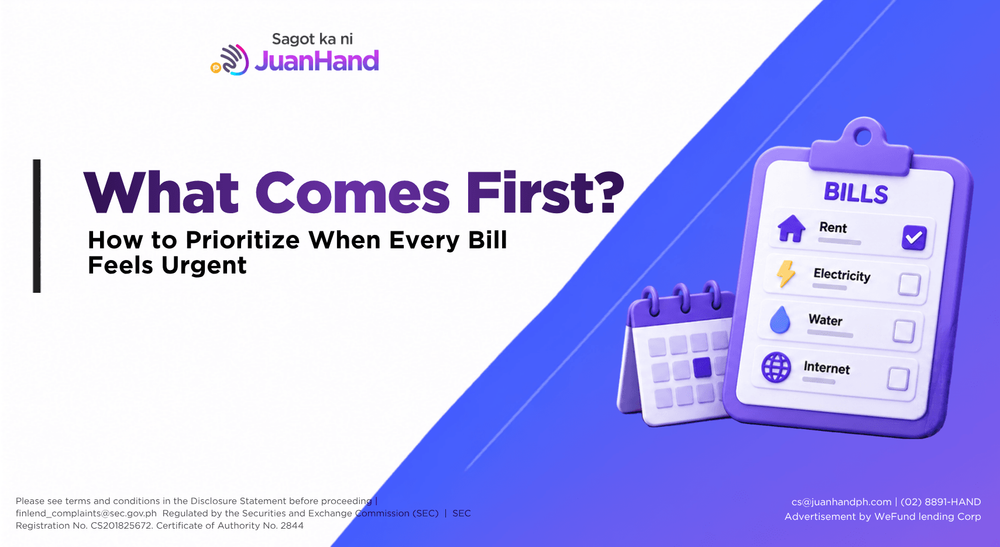
When multiple bills land at the same time, deciding what to pay first can feel overwhelming. From rent and electricity to groceries and loans, competing expenses quickly stretch a tight budget to its limit.
The clearest path forward begins by separating basic household essentials from other commitments. By evaluating your available cash, exact due dates, and the potential impact of delayed payments, you can take control of your finances step by step.
Here are simple ways to prioritize your bills when everything feels urgent.
Pay for Basic Needs First
Start with the expenses your household needs every day. These include food, housing, utilities, and transportation. Medicine and other important healthcare expenses may also need to come first.
Once you know how much you need for these essentials, you can see how much money is left for your other bills.
Make a List of All Your Bills
Write down each bill, how much you owe, and when it is due. Include everything, even small payments that are easy to forget.
Putting all your bills in one place can make the situation feel more manageable. It also helps you see which payments need your attention first and which ones can wait a little longer.
Separate Needs From Wants
When money is tight, look at expenses that you can reduce or pause for a while. Things like dining out, shopping, subscriptions, or other optional purchases may be adjusted temporarily.
The goal is not to remove everything you enjoy. It is to free up some money for the expenses that are more important right now.
Prioritize Bills by Due Date
After covering your basic needs, look at which bills are due soonest. Paying attention to your next few due dates can help you avoid missing important payments.
You can mark the dates on a calendar, phone reminder, or simple list. Seeing your upcoming bills clearly can make it easier to plan where your money should go next.
Set Aside Money for Upcoming Bills
When you receive your income, consider setting aside money for bills that are coming up later in the month. This can help prevent you from spending money that you will need for an upcoming payment.
Even setting aside a small amount regularly can make larger bills easier to manage. Keep this money separate from your everyday spending when possible.
Find Ways to Bring in Extra Money
When a bill is coming up, look for ways to raise money without adding another debt. Selling unused items, taking on short-term work, or collecting money someone owes you may help.
Choose options that are realistic and can provide money when you actually need it. Avoid relying on money that may not arrive in time for the bill.
Make a Simple Emergency Budget
For the next few weeks, focus your budget on essentials and important payments. Reduce unnecessary spending and keep track of where your money goes.
Your budget should still include expenses you genuinely need, such as transportation, food, and medicine. Review your budget again when you receive your next income.
Prepare for Next Month
Once your current bills are under control, think about what caused the problem. It could be an unexpected expense, several bills becoming due at the same time, or spending more than planned.
Use what you learn to prepare for the next month. You can set aside money for large bills, track due dates, or slowly build an emergency fund.
How can JuanHand help?
Whenever you need extra support managing your financial responsibilities, remember that JuanHand is always here to help you move forward. With just one valid ID and a mobile phone, you can conveniently access loan options up to ₱50,000, featuring friendly daily interest rates starting at 0.025% and flexible repayment terms extending up to 9 months.
You can gain quick peace of mind with fast approvals in as little as 5 minutes. Your privacy and security are fully protected through strict compliance with SEC, NPC, and AMLC regulations, supported by a dedicated customer care team available 7 days a week to guide you every step of the way.
Managing multiple bills can feel overwhelming, but taking thoughtful, step-by-step actions helps you regain control and protect your daily essential needs. By prioritizing key expenses and utilizing supportive tools when needed, you can build a more predictable routine and achieve greater financial peace of mind.
Download the JuanHand app today via the iOS App Store or Google Play Store, or visit www.juanhand.com.
Frequently Asked Questions (FAQs)
1. What should I pay first: electricity or a credit card?
Check the due dates and possible consequences. If your electricity service may be disconnected, it may need more immediate attention. For your credit card, contact the provider if you expect to miss a payment.
2. What if I cannot pay all my bills this month?
Focus on your essential needs first, and then take a gentle look at the due dates and impact of your other bills.
3. What are the “Four Walls”?
The “Four Walls” are basic household needs: food, utilities, shelter, and transportation. They are a simple starting point for deciding which expenses to prioritize.
4. How can JuanHand help manage my expenses?
JuanHand offers loan options for eligible borrowers who need additional funds for essential expenses. Depending on your eligibility, you may apply for a loan of up to ₱50,000, with repayment terms of up to 9 months.
5. How can I avoid the same problem next month?
Track your bills, watch your spending, and set aside money for important upcoming expenses. Building even a small emergency fund can also give you more room when unexpected costs come up.