
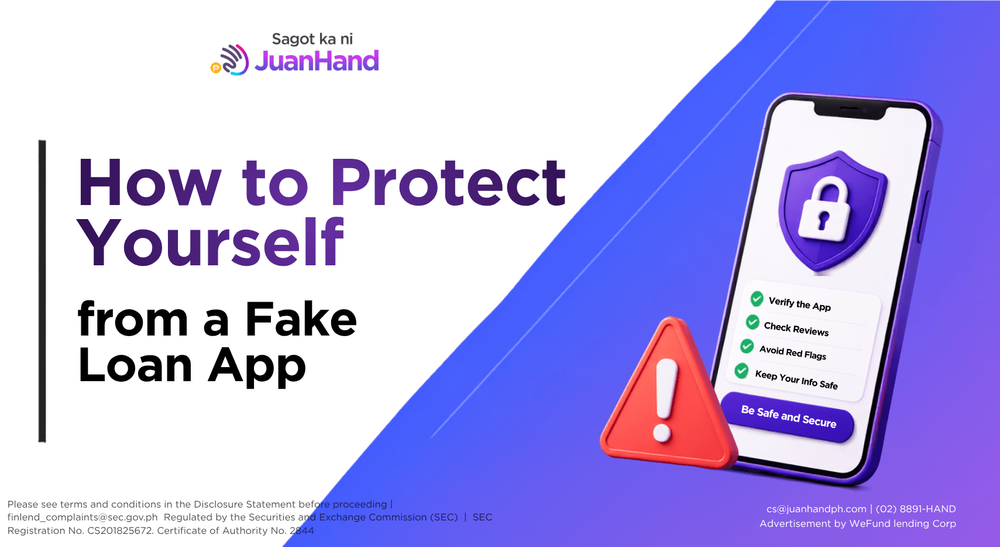
Online loan apps can make borrowing faster and more convenient. However, fake loan apps and scammers may use misleading offers to steal money, personal information, or account details.
Before applying for a loan, borrowers should verify that the platform is legitimate, understand how it operates, and recognize common warning signs. Taking a few minutes to check an app can help protect your identity, finances, and personal data.
Why Fake Loan Apps Are Dangerous
Fake loan apps may look professional and convincing. Some copy the names, logos, colors, photos, or designs of legitimate lending companies to gain a borrower’s trust.
These platforms may request advance payments, personal documents, one-time passwords, account credentials, or access to financial accounts. In some cases, scammers promise a loan and disappear after receiving money.
Learning how to avoid common financial scams can help you identify suspicious behavior before downloading an app, submitting documents, or sending money.
Red Flag #1: The Company Cannot Be Verified
A legitimate lending platform should clearly identify the legal company operating the service.
Be cautious when an app does not provide an official company name, business details, website, customer-support channels, privacy information, or regulatory details.
Before applying, verify the company through official government records and trusted communication channels.
Red Flag #2: Guaranteed Loan Approval
Claims such as “100% guaranteed approval,” “approved for everyone,” or “no assessment required” are major warning signs. Legitimate lenders evaluate each application before making a decision. Approval, loan amounts, interest rates, applicable charges, and repayment terms may vary based on the borrower’s information and assessment. No responsible lender can promise the same outcome to every applicant.
Red Flag #3: Requests for Upfront Payments
Do not send money to an individual who claims that a processing fee, security deposit, insurance payment, activation fee, or verification fee is required before a loan can be released.
Scammers may ask borrowers to transfer money to a personal bank account, e-wallet, or unofficial payment channel. After receiving the first payment, they may request more fees or stop responding.
Red Flag #4: Requests for Your OTP or Password
Your OTP, account password, PIN, and verification codes should never be shared with another person. A legitimate representative should not ask for these security credentials through calls, text messages, social media, email, or messaging apps.
Anyone requesting this information may be attempting to access your account, authorize a transaction, or steal your identity.
Red Flag #5: Unofficial Download Links
Be cautious of loan-app links sent through text messages, private messages, comments, email, or unknown websites.
Fake applications may be distributed outside recognized app stores and designed to collect information from your device. Download a lending app only through the company’s official website or verified app-store listing. Check the developer’s name, reviews, contact information, description, and update history before installing.
Red Flag #6: Unofficial Social Media Accounts
Scammers may create pages using the name, logo, images, and branding of a legitimate lender. Small differences in the username, spelling, account history, or contact details may reveal that the page is fake.
Check whether the account is linked from the company’s official website. Avoid continuing an application through a personal profile, unofficial representative, or unverified messaging account.
Red Flag #7: Pressure to Act Immediately
Scammers often create urgency by claiming that an offer will expire within minutes or that a loan will be cancelled unless you send money or personal information immediately.
A legitimate lender should give you enough time to review the loan terms, applicable charges, due dates, repayment schedule, and total repayment. Understanding how interest rates affect loan costs can help you evaluate an offer before accepting it.
How to Protect Yourself Before Applying
Before using any loan app, identify the legal company behind the platform and verify its official website, regulatory information, privacy policy, and customer-support channels.
Read the loan disclosure carefully. Make sure you understand the approved amount, applicable interest rate, charges, payment schedule, due dates, and total repayment. Check whether the repayment amount fits your budget.
Applicants should also understand why legitimate loan applications require documents and submit identification only through the lender’s official platform. Verify the legal company and official website.
- Download the app only from a verified source.
- Never share your OTP, PIN, password, or verification code.
- Do not send advance payments to personal accounts.
- Review the complete loan terms and repayment amount.
- Keep copies of important disclosures and transactions.
What to Do If You Encounter a Suspicious Loan App
Stop communicating with the suspicious account. Do not send money, documents, security credentials, or additional personal information. Take screenshots of the app, messages, profile, payment instructions, phone numbers, account names, and transaction details. Report the suspicious account to the platform where it contacted you and verify the situation through the lender’s official customer-support channels.
If you have already shared account credentials, change your passwords immediately and contact your bank, e-wallet provider, or relevant service provider. If money was transferred, keep the transaction records and follow the reporting guidance provided by the payment service and appropriate authorities.
Why Consider JuanHand?
You can borrow up to ₱50,000 with a daily interest rate as low as 0.025% with up to 9 repayment terms. With just 1 valid ID, you can get approved as fast as 5 minutes. JuanHand is also compliant with the SEC, NPC, and AMLC making sure that data and and transaction in safe hands. They also have a reliable customer service which is available 7 days a week from 9 am to 6 pm. So if you need a safe and secure loan app, JuanHand is right here for you.
Frequently Asked Questions (FAQs)
1. How can I tell whether a loan app is fake?
Check whether the legal company behind the app can be verified. Look for official company details, regulatory information, customer-support channels, clear loan disclosures, a privacy policy, and a verified app-store listing.
2. Is guaranteed loan approval a warning sign?
Yes. Legitimate lenders assess applications individually and cannot guarantee approval, identical amounts, or the same terms for every borrower.
3. Should I pay a fee before receiving my loan?
Be cautious of anyone asking you to send money before a loan is released. Verify all payment instructions through the lender’s official app or customer-support channels.
4. Can a loan representative ask for my OTP?
No. Never share your OTP, password, PIN, or verification code with anyone.
5. Is it safe to download a loan app from a link sent through text?
Download apps only through the lender’s official website or verified app-store listing. Avoid links sent by unknown individuals or unofficial accounts.
6. Does JuanHand charge processing fees?
No. JuanHand does not charge processing fees. Do not send money to anyone claiming that a fee is required to process or release a JuanHand loan.
7. What should I do if someone is pretending to represent a lender?
Do not share information or send money. Save evidence, report the account, and verify the person’s claims through the company’s official customer-support channels.