
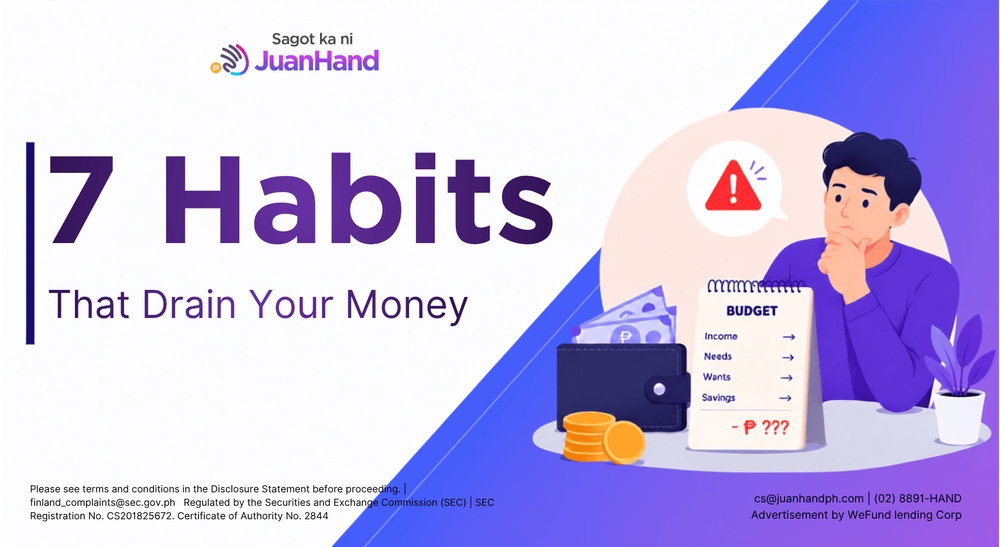
Budgeting is not only about tracking how much money comes in and goes out. Sometimes, the real challenge comes from small habits and overlooked expenses that quietly affect your finances. From impulse spending to missed due dates, these hidden budget pitfalls can make it harder to stay on track, especially when daily expenses and unexpected costs arise. Knowing what to watch out for can help you manage your money better, make wiser financial decisions, and stay more prepared in the future.
Impulse Buying
Impulse buying occurs when you make a purchase without first planning for it. It may seem harmless when the amount is small, but these small expenses can build up quickly when done frequently. Online sales, food deliveries, and “deserve ko ‘to” moments can slowly eat into your budget if you are not careful.
A good way to avoid impulse spending is to pause before making a purchase. Ask yourself if the item is something you truly need now or something that can wait. Giving yourself time to think helps you make better choices and avoid spending money that could be allocated for more important needs.
Not Tracking Daily Expenses
Daily expenses are easy to overlook because they often feel too small to matter. Transportation, snacks, coffee, delivery fees, mobile load, and convenience charges may not seem heavy one by one, but they can take a big part of your budget over time. When you do not track these expenses, it becomes harder to understand where your money actually goes.
To manage this better, try listing your expenses at the end of each day or using notes on your phone. Once you see your spending pattern, you can adjust your habits and decide where to cut back. This simple step can help you become more aware and in control of your finances.
Forgetting Due Dates
Missing due dates can lead to penalties, extra charges, or unnecessary stress. Bills, loan payments, subscriptions, and other financial obligations can pile up when you do not keep track of them. Even if you have the money to pay, forgetting the deadline can still affect your budget.
Setting reminders is one of the easiest ways to avoid this. You can use phone alerts, calendar notifications, or a written checklist to stay updated on upcoming payments. For JuanHand users, being mindful of loan due dates is also important to help manage repayments responsibly and avoid added financial pressure.
Spending Without a Budget
Spending without a budget is like going through the month without a clear plan. You may think you still have enough money, but without limits, it becomes easier to overspend. This often leads to budget shortages before the next payday.
Creating a simple budget helps you decide how much should go to essentials, savings, debt payments, and personal spending. It does not have to be complicated. Even a basic weekly or monthly spending plan can help you stay on track and avoid using money meant for important needs.
Ignoring Small Fees
Small fees can quietly affect your budget. These may include transfer fees, service charges, delivery fees, processing fees, subscription costs, and other extra charges. Since they often look minor, many people ignore them until they realize how much they have spent in total.
Before paying or signing up for any service, always check the full amount. Being aware of small charges helps you avoid surprises and plan your budget better. This is also why it is important to transact only through official channels, especially when using financial apps like JuanHand.
Unprepared for Emergencies
Unexpected expenses can happen anytime. Medical needs, home repairs, school expenses, appliance problems, or urgent family needs can affect your finances if you are not prepared. Without an emergency fund, you may end up using money meant for bills or borrowing more than planned.
Building an emergency fund does not need to start big. You can begin by setting aside a small amount regularly until it becomes a habit. Having even a little saved can give you breathing room when something unexpected happens.
Borrowing More Than Needed
Borrowing can help during serious financial situations, but borrowing more than what you need can make repayment harder. It may feel helpful at first, but a higher loan amount also means a bigger responsibility. This can affect your future budget if not planned properly.
Before applying for a loan, check how much you actually need and how much you can repay on time. If you need a Helping Hand in managing your finances, JuanHand is right here to help you.
With JuanHand, you can apply with just a 1 valid ID, and you can already borrow up to ₱50,000 with a daily interest rate as low as 0.025%. Users can also get approved as fast as 5 minutes with repayment terms up to 9 months.
Your safety is also ensured with JuanHand because they are compliant with the Securities and Exchange Commission (SEC) as well as the National Privacy Commission (NPC). JuanHand’s Customer Service is top-notch and ready to answer your queries 7 days a week. If you need help with your daily expenses, JuanHand always has you covered.
Budget pitfalls are not always obvious, but being aware of them can help you make smarter money choices. By tracking your expenses, planning your payments, avoiding unnecessary spending, and borrowing responsibly, you can manage your finances with more confidence. Whether you are handling daily expenses, preparing for emergencies, or considering financial support through JuanHand, the key is to stay informed, plan, and make every peso count.
Download the JuanHand app today via the iOS App Store or Google Play Store, or visit www.juanhand.com
Frequently Asked Questions (FAQs)
What is a budget pitfall?
A budget pitfall is a money habit or overlooked expense that can affect your finances without you noticing right away. Examples include impulse buying, missed due dates, small fees, and spending without a clear plan.
Why is it important to track daily expenses?
Tracking daily expenses helps you see where your money goes. Once you understand your spending habits, it becomes easier to adjust your budget and avoid unnecessary expenses.
How can I avoid missing payment due dates?
You can set reminders on your phone, use a calendar, or create a payment checklist. This helps you stay updated on bills, loans, and other financial obligations before they become overdue.
Is borrowing money always bad for my budget?
No, borrowing is not always bad when done responsibly. It can help during urgent or important financial needs, but you should only borrow what you need and what you can repay on time.
How can JuanHand help with financial needs?
JuanHand provides digital financial access for qualified users who may need extra funds for important expenses. However, users should always review their loan details and borrow responsibly based on their repayment capacity.
What should I check before applying for a loan?
Before applying, check the amount you need, the repayment schedule, applicable charges, and your ability to pay on time. Understanding these details can help you avoid financial stress later.
How can I avoid fake accounts impersonating JuanHand?
Always transact only through official JuanHand channels. Remember that JuanHand does not charge service fees to process or release a loan.
What is the best way to stay financially responsible?
Start with simple habits like budgeting, tracking expenses, setting payment reminders, saving regularly, and borrowing only when needed. Small but consistent actions can help you manage your money more wisely.