
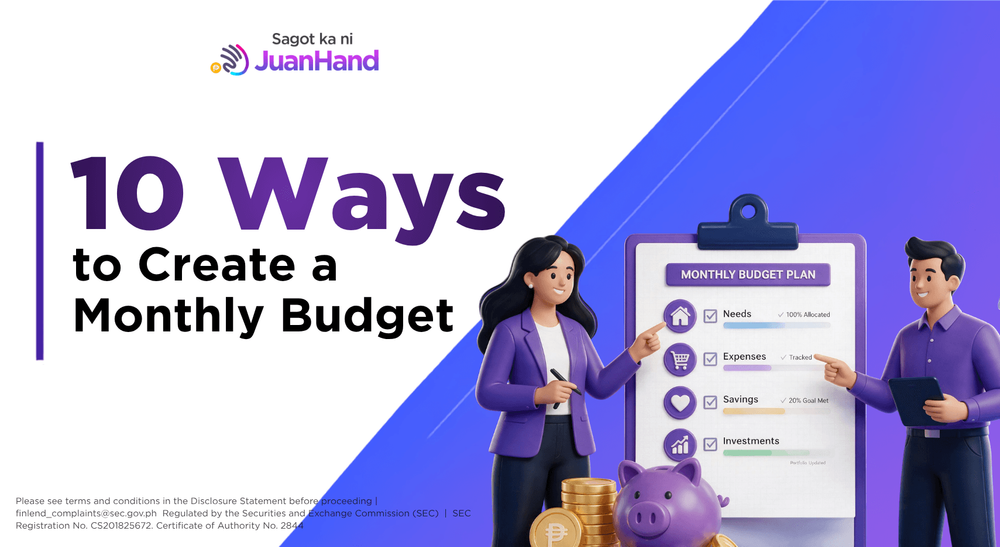
Creating a monthly budget might sound intimidating, but it’s actually the key to taking control of your money. Whether you’re saving for emergencies, planning for bills, or just trying to stretch your paycheck, a simple budgeting system can make your finances much more manageable. Here are 10 practical ways to create a monthly budget that actually works.
1. Track Your Income First
Before you can budget, know exactly how much money you have coming in. Include your salary, side hustles, freelance payments, and any other regular sources of income. Knowing your total income helps you understand how much you can allocate toward expenses, savings, and leisure.
2. List All Your Fixed Expenses
Write down your monthly fixed expenses, like rent, utilities, subscriptions, insurance, and loan repayments. These are costs that rarely change and should be your top priority when planning your budget.
3. Estimate Variable Expenses
Variable expenses, like groceries, transportation, and entertainment, fluctuate every month. Review past spending to make reasonable estimates. This helps prevent surprises and overspending.
4. Set Realistic Savings Goals
Decide how much you want to save each month. Even a small amount adds up over time. Treat your savings like a fixed expense, so you prioritize it before spending on nonessential items. Your savings are the foundation of your emergency fund, ensuring that you’ll have something to fall back on on a rainy day.
5. Use the 50/30/20 Rule
If you're unsure how to divide your income, the 50/30/20 rule is a simple budgeting method to follow. Allocate 50% of your monthly income to necessities such as rent, utilities, groceries, and transportation. Set aside 30% for personal wants, including dining out, entertainment, hobbies, or other lifestyle expenses.
The remaining 20% should go toward savings, investments, or debt repayment. This balanced approach helps you cover essential needs, enjoy your earnings responsibly, and steadily build financial security over time.
6. Track Your Spending Regularly
Keep an eye on your spending throughout the month. Use budgeting apps, spreadsheets, or a simple notebook. Tracking helps you see if you’re staying on track and adjust when necessary.
7. Cut Unnecessary Expenses
Look at your variable expenses and identify areas to cut back. Maybe that daily coffee adds up, or you can pause a subscription you rarely use. Redirecting these savings can help you meet financial goals faster.
8. Automate Payments and Savings
Automate bill payments and transfers to your savings account. Automation reduces late fees, ensures consistent savings, and makes budgeting easier by handling routine tasks without you thinking about it.
9. Plan for Emergencies
Some expenses aren’t monthly, like gifts, car maintenance, or annual subscriptions. Set aside a small amount each month to cover these irregular costs so they don’t blow your budget when they occur. But if you need an extra for emergencies, JuanHand got you covered. You can borrow up to ₱50,000 with a daily interest rate as low as 0.025%, payable up to 9 months' installment. You only need a 1 valid ID, and you can get approved as fast as 5 minutes.
JuanHand is also compliant with the Securities and Exchange Commission (SEC) as well as the National Privacy Commission (NPC), ensuring your data is safe and secure. Plus, their customer service is also reachable and open for your inquiries. Be ready for emergencies with JuanHand.
10. Review and Adjust Your Budget Monthly
Life changes, and so should your budget. Review your budget at the end of each month and adjust for any changes in income, expenses, or goals. Continuous improvement keeps your finances healthy.
Download the JuanHand app today via the iOS App Store or Google Play Store, or visit www.juanhand.com
Frequently Asked Questions (FAQs)
1. Why is creating a monthly budget important?
A monthly budget helps you track your income and expenses, avoid overspending, and ensure your money is allocated toward your priorities and financial goals.
2. How do I start creating a monthly budget?
Begin by listing all your sources of income, then identify and categorize your monthly expenses. This gives you a clear picture of your financial situation.
3. Should I include an emergency fund in my budget?
Yes. Setting aside money for emergencies helps you handle unexpected expenses without disrupting your financial stability.
4. Is it important to have a backup plan for emergencies?
Yes. Aside from savings, it helps to have a financial backup option for unexpected situations. Some people consider using reliable loan services like JuanHand when urgent needs arise. Users may borrow up to ₱50,000 with a daily interest rate as low as 0.025% and a flexible repayment.
5. How can budgeting help me achieve my financial goals?
Budgeting helps you prioritize savings, manage debt, and allocate funds toward goals such as buying a home, starting a business, traveling, or building an emergency fund.